urethane’s main attributes (talking about polyurethane, which is what people mean when they say “urethane” in this context):
Physical Properties
| Attribute | Typical Range / Info | Notes |
|---|---|---|
| Hardness | Shore A 10 → Shore D 80 | Can be soft rubber-like or hard plastic-like depending on formulation |
| Tensile Strength | 2,000–6,000 psi (14–41 MPa) | Strong for a polymer but far below metals |
| Elongation at Break | 100–600% | Can stretch a lot before breaking (elastic) |
| Abrasion Resistance | Excellent | Much better than rubber, resists wear |
| Impact Resistance | Good | Absorbs shocks without cracking |
| Density | 1.1–1.3 g/cm³ | Similar to hard plastics |
| Compression Set | Low | Springs back after compression |
Environmental Resistance
| Attribute | Performance | Notes |
|---|---|---|
| Water Resistance | Excellent | Stable in water exposure |
| Oil & Grease Resistance | Good to Excellent | Better than most rubbers |
| UV Resistance | Fair to Poor | Can yellow and degrade without UV stabilizers |
| Temperature Range | -30°C → +80°C (some up to +120°C) | High-heat grades available |
| Chemical Resistance | Good to many chemicals, but weak to strong acids/bases | Varies by formulation |
Pros
- Very wear resistant (better than natural rubber)
- Elastic yet tough
- Good damping for vibration/noise
- Can be cast, machined, or injection molded
- Bonds well to metals (good for overmolds)
Cons
- Not as strong as metals for structural loads
- Can yellow or degrade under UV unless stabilized
- Heat resistance is moderate
- Can absorb moisture slightly over time
If you’re considering urethane for a hitch receiver insert, the takeaways are:
- 👍 Great for protective caps, bump stops, and coatings
- ❌ Not a good stand‑alone structural towing insert (needs a metal core)
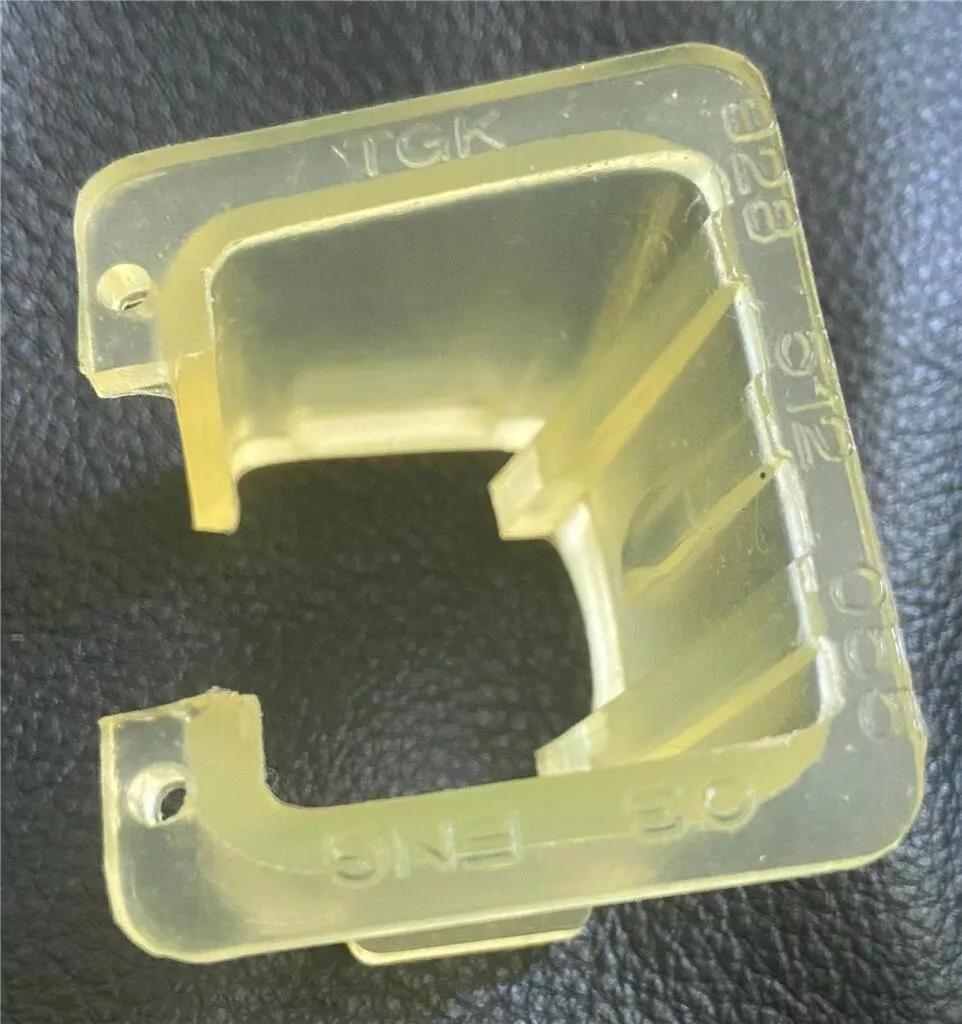
What’s the price of this 928 boot lock insert?
https://p9997.com/product/porsche-928-rear-hatch-receiver-cushion-1978-1992/
$35 plus shipping