Upgrading the upper control arm bushings on a Porsche 928 involves a trade-off between the refined “Grand Touring” feel the car was engineered for and a more modern, precise handling characteristic. Because the 928 uses the complex Weissach rear axle (which relies on specific bushing deflection to provide passive rear-wheel steering), your choice of material significantly impacts how the car behaves during cornering.
Rubber Bushings (OEM Style)
Rubber is the original material used by Porsche to balance comfort and performance.
Pros:
- NVH Absorption: Rubber is superior at dampening Noise, Vibration, and Harshness. It absorbs high-frequency road vibrations, keeping the 928’s cabin quiet and refined.
- Weissach Axle Compatibility: The 928 rear suspension was designed to allow a specific amount of “give.” Rubber facilitates this movement, maintaining the car’s intended stability during lift-off in corners.
- Zero Maintenance: Once installed, rubber bushings are chemically bonded to their metal sleeves and require no lubrication for their entire lifespan.
- Predictable Deflection: They provide a progressive “loading” feel when cornering, which many enthusiasts prefer for a daily-driven GT car.
Cons:
- Shorter Lifespan: Rubber is vulnerable to oil, ozone, and heat. Over time, it cracks and “sets,” leading to sloppy handling and alignment shifts.
- Difficult Installation: Replacing these often requires a hydraulic press to seat the bushings into the control arms.
- Dynamic Alignment Change: Under high lateral loads, the flexibility of rubber allows the suspension geometry to change slightly, which can feel “vague” during spirited driving.
Polyurethane Bushings
Polyurethane is a synthetic plastic-like material that is significantly stiffer than rubber.
Pros:
- Precision and Feedback: Because “poly” is stiffer, it minimizes unwanted suspension movement. This results in sharper steering response and more consistent camber/caster angles during hard cornering.
- Durability: Polyurethane is nearly impervious to road chemicals, oil, and UV rays. In many cases, it will last the remaining life of the vehicle.
- Easier Installation: Most aftermarket poly kits are “slip-fit” or multi-piece designs that can be installed by hand or with a simple bench vice, often avoiding the need for a hydraulic press.
- Stability: Under heavy braking or high-speed maneuvers, the car feels more “planted” and predictable.
Cons:
- Increased Harshness: You will feel more of the road. Expansion joints, potholes, and rough pavement will transmit more shock directly into the chassis.
- Maintenance (The Squeak Factor): Poly bushings are mechanical—they rotate inside a sleeve rather than twisting the material. They must be greased regularly with specialized synthetic grease (like Krytox or marine-grade grease). If the grease washes out, they will develop a loud, high-pitched squeak.
- Potential for Binding: If not properly lubricated or fitted, they can bind, which puts stress on the control arm mounts and can potentially lead to chassis cracks over long periods of time.
Comparison Summary
| Feature | Rubber (OEM) | Polyurethane |
| Ride Quality | Smooth and quiet | Firm and communicative |
| Handling | Compliant / Traditional GT | Sharp / Performance-oriented |
| Service | Fit and forget | Needs periodic greasing |
| Longevity | 10–15 years | Lifetime (usually) |
| Installation | Requires Press | Often DIY-friendly |
For a 928 used primarily for long-distance cruising or daily driving, fresh rubber is generally recommended to preserve the car’s legendary ride quality. However, if you are looking to “sharpen” the car for mountain roads or occasional track use—and don’t mind the occasional maintenance—polyurethane is a very effective upgrade.
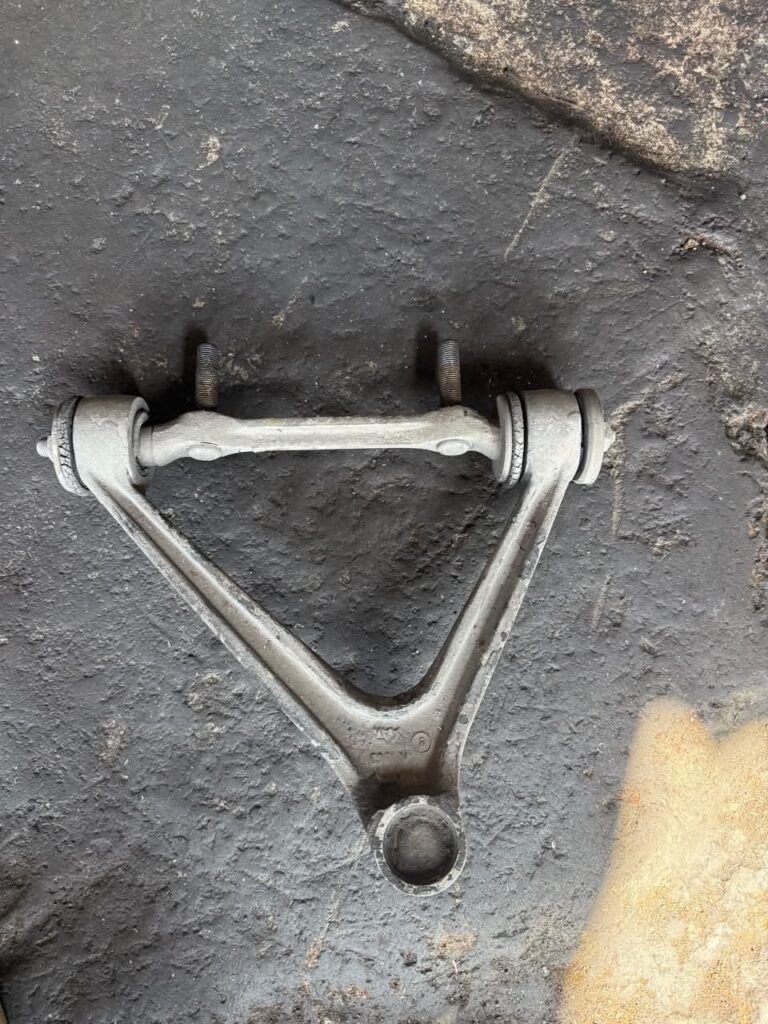
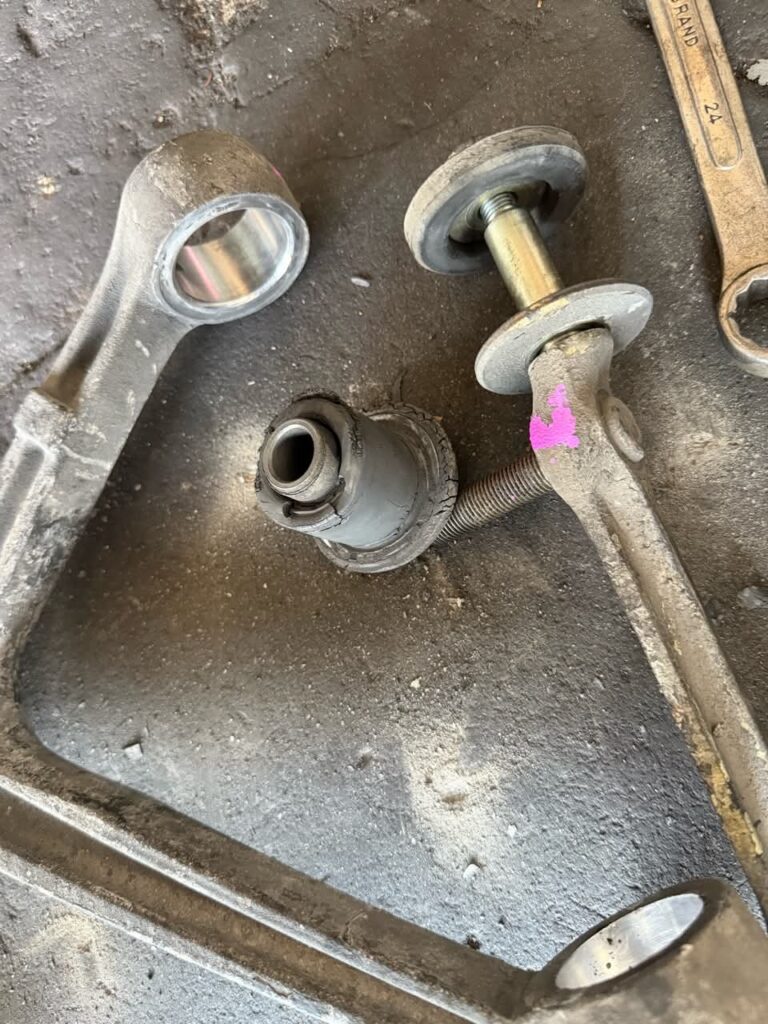
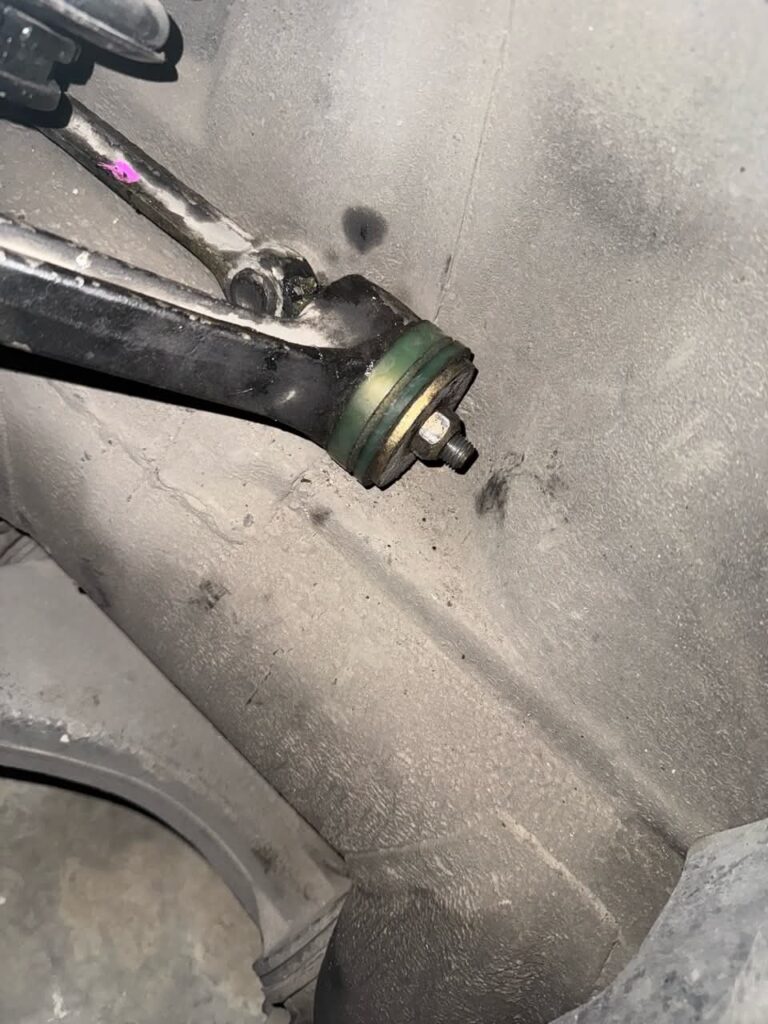
This is new yellow polyurethane bush