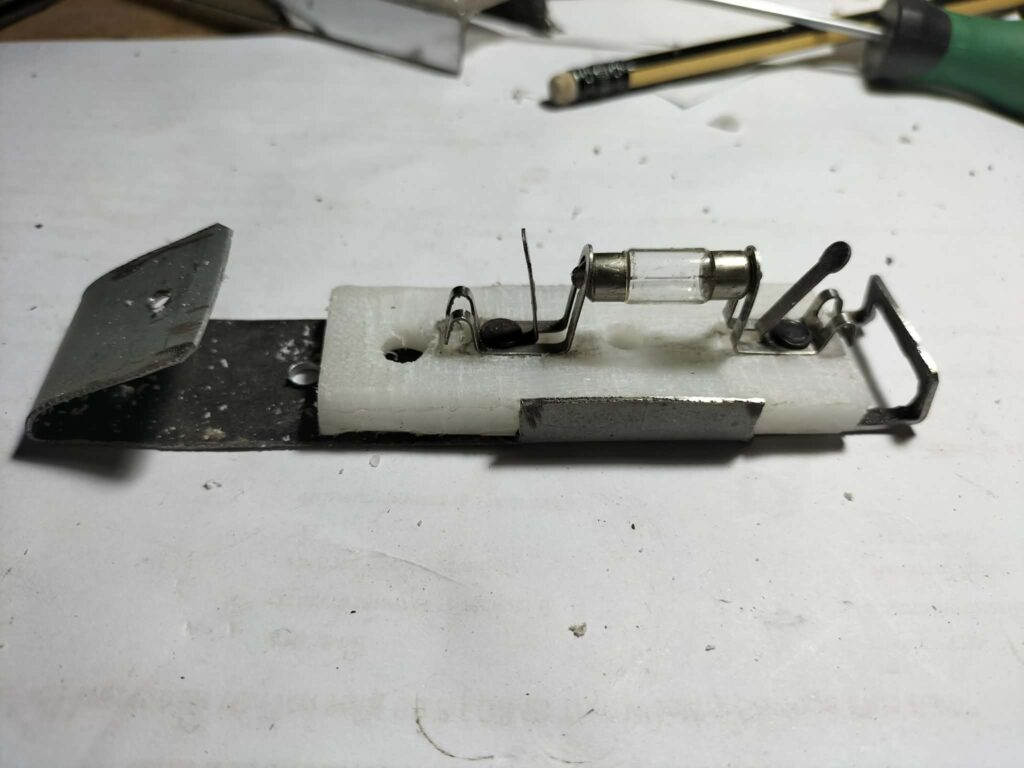
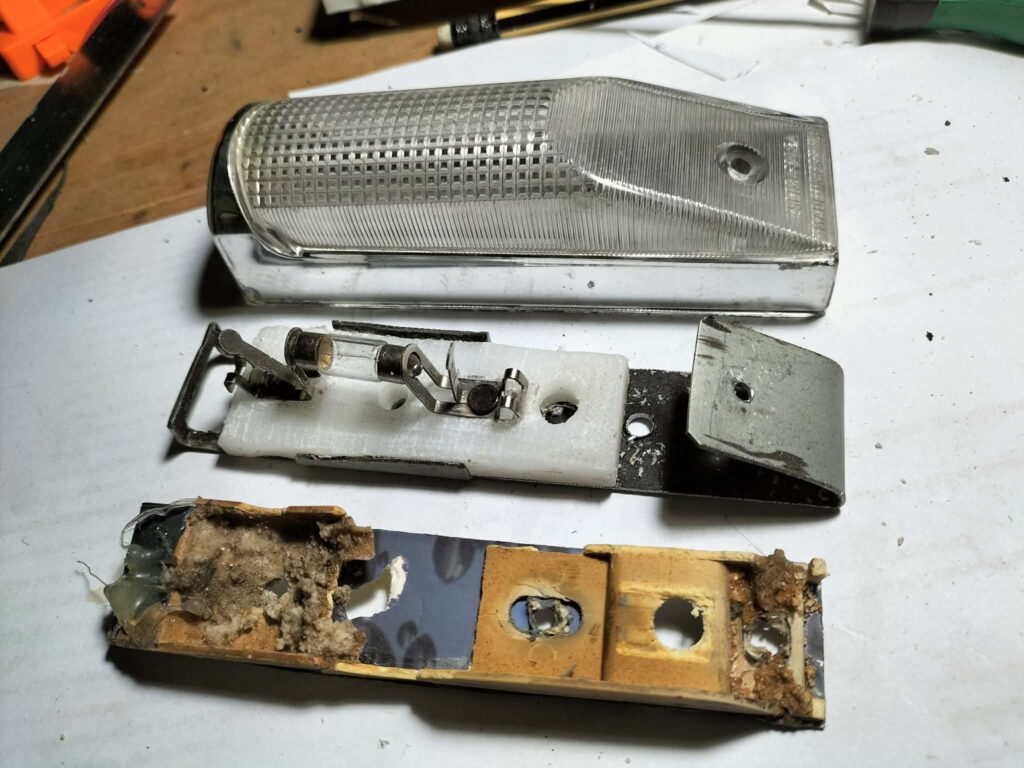
An electrical component—whether it’s an old housing, a multi-pin connector plug, a relay bracket, or a switch frame—presents a specific challenge when rebuilding it out of folded sheet metal.
Because metal is a highly efficient conductor, changing an electrical plastic housing to metal requires strict design modifications to prevent short circuits, grounding issues, or blown fuses.
1. The Isolation Rule (Preventing Shorts)
Plastic naturally acts as an electrical insulator. When you switch the housing or mounting bracket to sheet metal, you must ensure that raw electrical current cannot accidentally bridge to the new metal casing.
- Air Gap Clearance: Ensure any bare copper terminals, pins, or soldering points have at least a 3mm to 5mm “air gap” clearance from the metal walls.
- Insulating Barriers: Line the interior of your newly folded metal piece with non-conductive material where electrical components sit.
- Excellent options: Kapton tape (high-dielectric, high-temperature resistance), thin sheets of ABS plastic shim stock, or heavy-duty heat-shrink tubing over terminal ends.
- Grommets for Wiring: If wires pass through a hole in your folded metal part, never let raw wire insulation touch a sharp metal edge. Vibration will slice the wire over time. Always use rubber or nylon wiring grommets in the pass-through holes.
2. Mounting Electrical Contacts & Connectors
If the original plastic piece held copper terminal pins or spade connectors directly inside it, you cannot just stick those pins into a metal hole.
- The Carrier Strategy: Instead of remaking the entire complex connector out of metal, rebuild only the main structural bracket out of folded sheet metal. Then, design a simple flat cutout or window in the metal to snap a standard, universally available plastic terminal block or fuse holder into place.
- Through-Panel Insulators: If you need to pass high-amperage power directly through a metal sheet wall (like a bulkhead or main power stud), use a threaded brass junction post wrapped in a step-down nylon isolating washer.
3. Structural Design for Sheet Metal Electrical Brackets
For automotive electrical modules, relays, or fuse panels, a lightweight but rigid setup is best:
- Material: 5052 Aluminum (1.5mm / 0.060″ thickness). It’s rigid enough to hold heavy relays without bending, easy to fold, and won’t rust if exposed to cabin moisture.
- Grounding Advantage: You can turn the new metal bracket into a dedicated chassis ground point. Clear a small patch of paint/anodization down to bare metal around one of the mounting bolt holes, clamp a ring terminal to it, and you have a secure, structural ground loop.