Double stitching on leather is a strong, decorative, and durable method — often seen in saddlery, belts, watch straps, and high‑end leather goods. It’s usually done with the saddle stitch technique, but you can also use a sewing machine with the right setup.
I’ll break it down for hand‑sewing (most common for leather) and machine‑sewing.
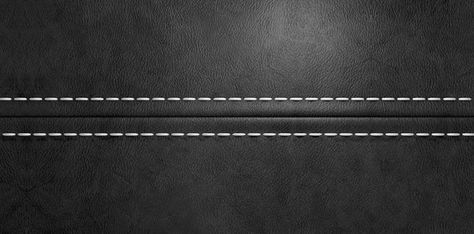
1. Hand Double Stitching (Saddle Stitch Method)
This is the gold standard for leather — it’s stronger than a lock stitch and looks beautiful.
You’ll need:
- Two harness needles (blunt‑tip leather needles)
- Waxed thread (polyester or linen)
- Leather pricking iron or stitching chisel (to make evenly spaced holes)
- Mallet (to drive the chisel through)
- Stitching pony/clamp (to hold leather steady)
- Wing divider (optional, to mark stitch line)
- Beeswax (optional, for thread smoothness)
Steps:
- Mark your stitch line — use a wing divider to make a guide line 2–4 mm from the edge.
- Punch evenly spaced holes — use a pricking iron or stitching chisel, strike with a mallet, through both layers of leather.
- Thread both ends of your waxed thread onto two needles.
- Start stitching:
- Pass Needle A through the first hole from the right.
- Pass Needle B through the same hole from the left.
- Pull both ends tight so the thread sits evenly.
- Repeat for each hole — always pass one needle from each side through every hole.
- Finish with a backstitch — go back 2–3 holes to lock the stitch.
- Trim and burn the ends (melt with a lighter if synthetic thread, or tap down with a hammer for natural thread).
✅ Why it’s called “double stitching” here: You’re putting a thread through from both sides of each hole — so there’s effectively two threads crossing in each stitch.
2. Machine Double Stitching
If you’re using a walking‑foot sewing machine designed for leather:
- Use heavy-duty bonded nylon/polyester thread (Tex 70–135).
- Install a leather point needle.
- Backstitch at the start and end — this will create a reinforced double line.
- If you want the look of hand‑saddle stitching, some machines have a “double needle” setup that stitches two parallel lines at once.
Tips for a Neat Double Stitch
- Even hole spacing is the most important — use quality chisels.
- Keep thread tension consistent — too tight and it puckers, too loose and it gaps.
- For decorative work, use contrast thread (e.g., white thread on brown leather).
- For strength, use slightly longer stitches (around 3–4 mm spacing for belts, 2.5–3 mm for wallets).