Rubber parts, including tires and seals, are some of the quickest to deteriorate on a classic car. Without proper care, they can become brittle, cracked, or lose their sealing ability. Here’s how to keep them in good condition for years.
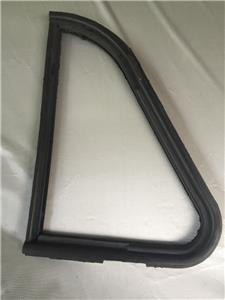
1. Clean Before Storage
- Remove dirt, dust, sand, and any traces of oil from tires and seals.
- Use mild soapy water; avoid harsh solvents or strong degreasers.
- Dry completely before storing to prevent moisture buildup.
2. Apply Rubber Conditioner
- Use a silicone-based rubber protectant to prevent drying, cracking, and surface hardening.
- Avoid petroleum-based products, as they accelerate deterioration.
- Reapply every 3–6 months for best results.
3. Store in a Dry, Temperature-Controlled Space
- Excessive heat speeds up aging, while extreme cold makes rubber stiff and prone to cracking.
- Ideal storage temperature is around 20–25°C (68–77°F).
- Avoid damp environments, as moisture can promote mold and faster degradation.
4. Protect from Sunlight and UV Exposure
- Sunlight and UV rays are the number one enemies of rubber.
- Store parts in a shaded area or use UV-protective covers.
- For parts still installed on the car, apply a UV-blocking spray.
5. Spare Tire Storage Tips
- Avoid stacking tires under heavy weight to prevent deformation.
- Store upright and rotate the position every 2–3 months.
- If storing unmounted tires, place them in airtight plastic bags to block dust and moisture.
6. Caring for Door and Window Seals
- Apply silicone lubricant to keep seals soft and flexible.
- Avoid constant compression to prevent flattening.
- Remove and store seals in a relaxed shape if possible.
📌 Extra Tips for Maximum Longevity
- Do not use WD-40 or similar lubricants on rubber; they may soften and weaken it.
- If storing a car long-term, move it periodically to prevent flat spots on the tires.
- Inspect rubber parts at least every six months for early signs of wear.